Why Boredom Is Good for Your Brain | Weiann Weekly
Reflection ⏰ 4 min read · November 4, 2026 · by LAI
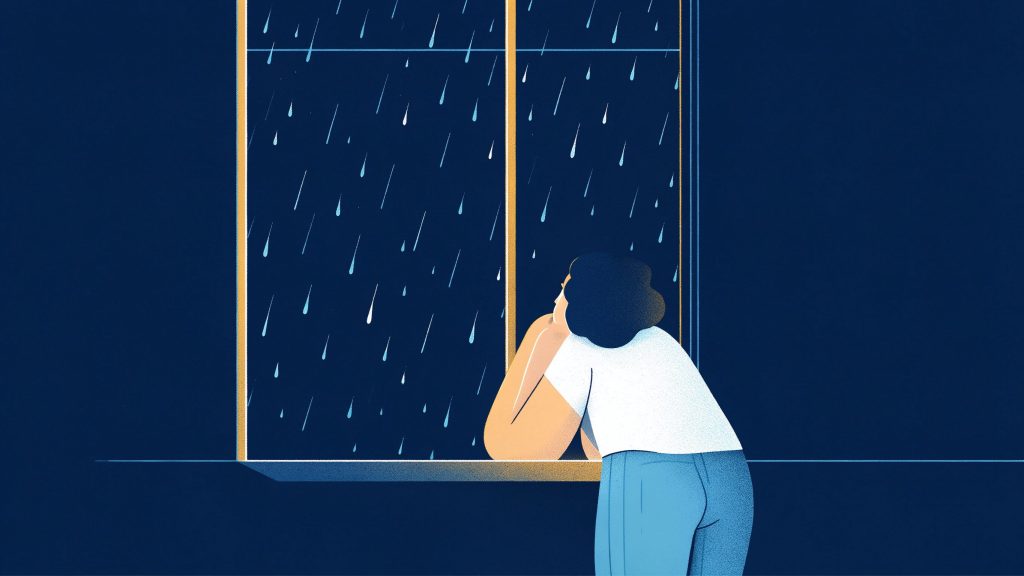
Boredom has a reputation problem. It is treated as a failure state, something to escape the moment it arrives. We reach for a phone, open a feed, scroll until the feeling passes. But the feeling never really passes. It just gets buried under more stimulation, and the mental muscles we could have exercised stay unused. This article argues the opposite of the usual advice: boredom is not a bug in your attention system. It is a signal that your brain wants to do something better.
What boredom actually is
Psychologists describe boredom as a state of low arousal and low satisfaction, usually paired with the sense that the current situation offers nothing worth doing. It sounds purely negative, but that misses the point. Boredom is a motivational signal, the same way hunger is a signal. It tells you that the current input stream is not meeting your needs and that you should seek a better one. The problem is not the signal. The problem is what we do with it.
When a person is bored, the default response is external: open a new tab, check a feed, look for novelty. This works in the short term, but it trains the brain to treat every quiet moment as an emergency. Over time, the tolerance for stillness drops, and the ability to follow a single train of thought for more than a few minutes weakens.
Where the thinking happens
Some of the best thinking a person does all day happens in the gaps. On a walk without music. Waiting for water to boil. Sitting in a car that will not move for another ten minutes. These gaps matter because they are the only times the mind is free from incoming demands. In those moments, the brain does what it is designed to do: it makes connections, revisits problems, rehearses conversations, and lets unfinished ideas resurface.
The modern habit is to fill every gap. The result is a mind that is always occupied but rarely productive in the sense that matters, which is the sense of reaching a conclusion you did not start with. When researchers study people who allow themselves to be bored, they find more spontaneous thought, more planning for the future, and more creative problem-solving than people who keep the gaps filled. The mind is not idle during boredom. It is working offline.
How to keep a little boredom in your day
You do not need to be bored for hours. Small protected gaps are enough. Leave the phone at home on a short walk. Sit with a cup of tea before starting work instead of opening the inbox first. When a thought starts forming in a quiet moment, let it form instead of cutting it off with a scroll. The practical rule is simple: allow at least one unstimulated stretch of ten to twenty minutes every day, and treat what surfaces there as real work.
This is part of a broader practice of slow thinking. When you give your attention a rest, the ideas you were trying to force start arriving on their own. That is the same reason keeping a journal and writing things down changes how you think, and why communities built around unhurried conversation hold up better than platforms built around endless feeds.
The counterintuitive takeaway
Boredom is not the enemy of productivity. It is the recovery time your attention needs to produce anything original. The next time you feel the urge to fill a quiet moment with a screen, pause for a second and let the moment stay empty. Something may actually surface. And if nothing does, you have still practiced the skill of sitting with your own mind, which is the foundation of every slow thinking habit worth keeping.
Related: explore the slow thinking topic and our notes on why writing things down changes how you think.
Join the discussion
Continue the conversation about this article in Slow Thinking — share your take, ask a question, or build on someone else's idea.
Start a discussion
@asd826242180
Comments
No comments yet — be the first to share a thought.